
Burnaby Massage Therapy
Deep Tissue Massage
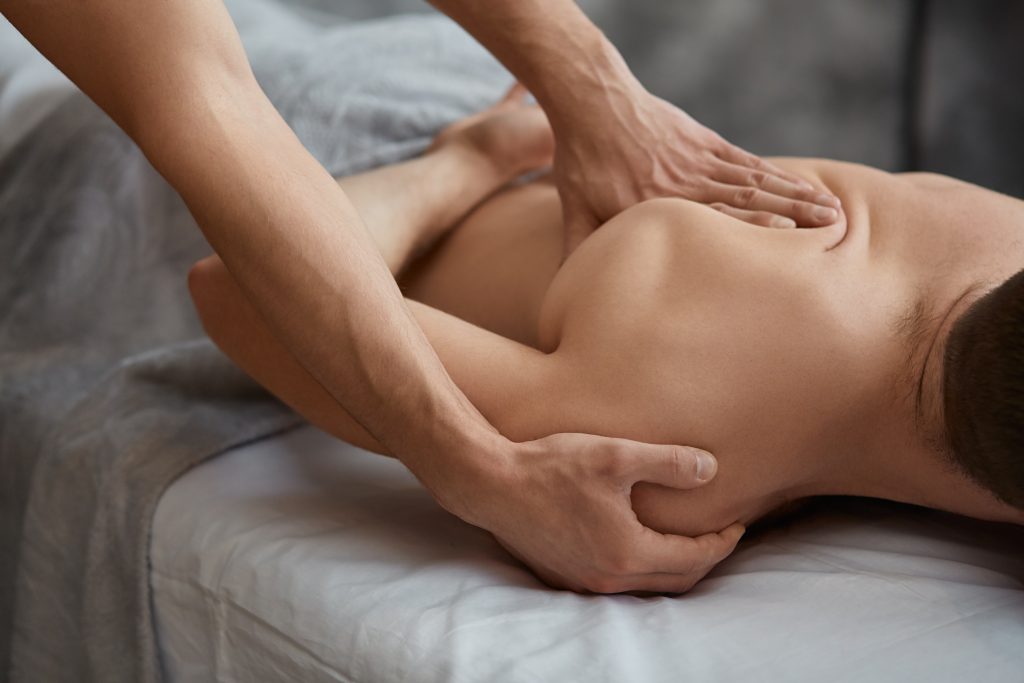
Massage Therapy
Deep Tissue Massage Therapy in Burnaby | Registered Massage Therapist (RMT) – EastWest Physiotherapy
Deep Tissue Massage is one of the most effective manual approaches for people dealing with chronic muscle tension, stiffness, injury recovery, or persistent aches that won’t go away on their own. At EastWest Physiotherapy Burnaby, our Registered Massage Therapists (RMTs) provide tailored deep tissue massage treatments designed to target deeper muscle layers, break down adhesions, and restore normal, pain-free movement.
Whether you work a desk job, train as an athlete, or manage daily stress that builds up in your shoulders and back, deep tissue massage can help you move better, feel better, and perform better.
What Is Deep Tissue Massage?
Deep Tissue Massage is a hands-on massage technique using slow, firm pressure to reach deeper layers of muscle, tendons, and fascia (the connective tissue surrounding muscles). Unlike relaxation-focused massage, deep tissue work specifically addresses the root source of pain, stiff muscle bands, scar tissue, overuse strain, and muscle guarding that builds up from repetitive stress.
This technique is an ideal choice for:
- Chronic neck, back, and shoulder tightness
- Muscle knots and deep myofascial tension
- Sports injury recovery
- Work-related strain and pain
- Limited mobility due to muscle stiffness
Our Burnaby Registered Massage Therapist (RMT) will assess your posture, muscle tone, and tension patterns to create a personalized treatment plan, not a one-pressure-fits-all routine. Every session will be adjusted to your comfort level.
Conditions Deep Tissue Massage Can Help Treat
Chronic Pain & Muscle Tension
Persistent tightness in the neck, shoulders, or lower back from posture, stress, or repetitive movement.
Fibromyalgia
Helps reduce widespread muscle pain, improve sleep quality, and calm sensitive tissue.
Sciatica
Releases pressure on the sciatic nerve by relaxing surrounding muscle tension.
Sports Injuries
Reduces stiffness, muscle strain, soreness, and improves recovery between training sessions.
Plantar Fasciitis
Breaks down tight fascia in the feet, easing morning heel pain and improving mobility.
Tendinitis/ Tendinopathy
Improves blood flow to injured tendons and supports collagen healing.
Carpal Tunnel Syndrome
Reduces forearm and wrist tension contributing to nerve compression.
Whiplash & Motor Vehicle Soft Tissue Injury
Helps improve mobility after sudden neck trauma and muscle spasm.
Osteoarthritis
Increases circulation around affected joints to reduce stiffness and discomfort.
Tension Headaches & Migraines
Releases neck/shoulder trigger points that refer pain to the head.
Post-Surgical Rehabilitation
Breaks down scar tissue to restore movement and prevent long-term restriction.
Stress & Anxiety-Related Muscle Guarding
Long-term stress often shows up physically, deep tissue massage helps unwind it.
Myofascial Pain Syndrome & Trigger Points
Localized muscle knots that refer pain elsewhere in the body.
Posture-Related Pain
Forward head posture, rounded shoulders, low back strain, desk-work fatigue.
Benefits of Deep Tissue Massage Therapy
Pain Relief
Decreases chronic pain by releasing adhesions and tight muscle fibers
Improved Mobility
Restores range of motion and flexibility
Stress Reduction
Activates the parasympathetic nervous system to calm the body
Enhanced Circulation
Promotes oxygen delivery for faster tissue repair
Injury Rehabilitation
Breaks down scar tissue and improves tissue elasticity
Better Posture
Frees stiff muscles pulling body out of alignment
Improved Sleep
Tension release improves rest quality
Enhanced Athletic Performance
Helps muscles recover between training sessions
Long-Term Maintenance
Prevents recurring pain instead of just masking symptoms
How Deep Tissue Massage Fits Into Long-Term Recovery
Deep tissue massage is not only helpful for short-term relief, but also plays an important role in long-term recovery and maintenance. Chronic muscle tension and stiffness often develop gradually due to posture, repetitive movement, old injuries, or prolonged stress. Without proper treatment, these patterns can continue to limit movement and contribute to recurring pain.
By working into deeper muscle layers and connective tissue, deep tissue massage helps restore normal tissue mobility and improve circulation to areas that may have been restricted for months or even years. Improved blood flow allows oxygen and nutrients to reach tight or injured tissues, supporting healing and reducing lingering inflammation.
Deep tissue massage is especially effective when combined with active rehabilitation. Many clients choose to integrate massage therapy with physiotherapy, exercise therapy, or movement-based rehab. Massage helps prepare the body for movement by reducing muscle guarding and improving flexibility, while exercise reinforces these gains through strength and control. This combined approach often leads to faster progress and more lasting results.
Is Deep Tissue Massage Right for You?
Deep tissue massage is ideal for people who:
- Experience chronic stiffness or muscle tightness that does not respond to light massage
- Have physically demanding jobs or train regularly
- Sit for long hours at a desk and experience posture-related pain
- Are recovering from injury, surgery, or repetitive strain
- Want more than relaxation and are seeking therapeutic results
While deep tissue massage uses firmer pressure, treatment is always adapted to your comfort level. Communication with your RMT ensures the session remains effective without being overwhelming.
When used consistently, deep tissue massage can help prevent flare-ups, support better movement, and keep your body functioning at its best—so pain doesn’t control how you live, work, or move.
Is Deep Tissue Massage Right for You?
Deep tissue massage is ideal for people who:
- Experience chronic stiffness or muscle tightness that does not respond to light massage
- Have physically demanding jobs or train regularly
- Sit for long hours at a desk and experience posture-related pain
- Are recovering from injury, surgery, or repetitive strain
- Want more than relaxation and are seeking therapeutic results
While deep tissue massage uses firmer pressure, treatment is always adapted to your comfort level. Communication with your RMT ensures the session remains effective without being overwhelming.
When used consistently, deep tissue massage can help prevent flare-ups, support better movement, and keep your body functioning at its best—so pain doesn’t control how you live, work, or move.
What to Expect During Your Deep Tissue Massage Session
Initial Consultation
Our Registered Massage Therapist will ask about your symptoms, work demands, activity level, and past injuries. This helps us understand what your body needs most.
Treatment
Your therapist will use slow, controlled strokes and deep pressure to reach deeper tissues. Tools may include: Thumbs / palms Knuckles & forearm pressure Elbow release techniques Trigger point release Myofascial stretching Pain levels should feel like a productive discomfort - never sharp or intolerable.
Post-Session Care
You may feel looser, lighter, or slightly sore - similar to the feeling after a workout. We’ll give you stretching or self-care recommendations to help your body continue improving beyond the table. Most people feel significant relief within 1-3 sessions, while chronic conditions may require ongoing treatment to maintain results.
Deep Tissue Massage at EastWest Physiotherapy - Why Clients Choose Us
- Private 1-on-1 treatment rooms
- Experienced RMTs who adjust pressure based on comfort
- Focused therapeutic treatment, not spa-style massage
- Integration with physiotherapy treatment if needed
- Convenient Burnaby location near Brentwood, Willingdon & Highway 1
- Extended health coverage direct billing
We believe massage is more than a relaxation service – it is a clinical tool that supports healing, movement, and longevity.
Frequently Asked Questions
What does a full-body deep tissue massage include?
A full-body deep tissue massage is a complete treatment that focuses on releasing tension within deep layers of muscle and fascia. Here’s what the session typically looks like:
Before the session
- A short intake and discussion of your concerns, pain areas, medical history & session goals
- Your therapist will ask what type of pressure you prefer, and what areas require extra focus
During the session
- You will be draped for privacy – only one area is uncovered at a time
- Treatment begins with lighter warm-up strokes to prepare the muscles
- Gradually, pressure increases to reach deeper layers of muscle & connective tissue
- Therapist may use thumbs, knuckles, forearms, elbows, and slow friction techniques
- Trigger point release, myofascial stretching, and active/passive movement may be included
- Focused work is concentrated on areas like the neck, shoulders, lumbar spine, hips & legs
- Stretching may be added to improve mobility and reduce fascial restriction
After the session
- Your therapist may recommend hydration, heat, gentle movement, or stretches
- You may feel relaxed, loose, or mildly sore (similar to a workout)- this is normal
This treatment is ideal if you carry stress in your muscles, experience chronic stiffness, or want a deeper therapeutic approach rather than light relaxation pressure.
Do you wear clothes during a deep tissue massage?
You may undress to your own comfort level. Most patients remove clothing except underwear, but some prefer to remain partially clothed – both are okay.
What you should know:
- You will always be covered with a sheet or blanket
- Only the body part being treated is uncovered
- Your privacy and comfort are always respected
- If you prefer to remain partially dressed, communicate that to your therapist
Deep tissue work is most effective directly on skin with lotion/oil, but we will always honour your preference. Your comfort comes first.
What happens to the body after deep tissue massage?
After treatment, it’s common to feel:
- Relief from stiffness & muscle tension
- Increased blood flow and warmth in treated areas
- Lowered stress and improved mental clarity
- A boost in joint mobility and range of motion
- Post-treatment soreness similar to a workout (24-48 hours)
- Better sleep that night as muscle tone relaxes
Deep tissue massage helps flush metabolic waste, break down adhesions, reduce protective muscle guarding, and restore proper tissue elasticity.
Some people notice immediate improvement. Others see gradual weekly progress — especially for chronic conditions.
How often should I get a deep tissue massage?
Frequency depends on your goals:
- Chronic pain or injury rehab: once weekly for several weeks
- Postural or work-related tension: every 2–3 weeks
- Sports recovery or maintenance: every 1–2 weeks
- General wellness: every 3–4 weeks
Can deep tissue massage make pain worse?
Some temporary soreness is normal – especially if you have chronic knots or sensitive trigger points. This is your body adjusting to tissue release and increased circulation.
However:
- Pain should never be sharp, burning, or unbearable
- You can request lighter pressure at any time
- We adjust technique to your tolerance and comfort
Good soreness = productive tissue change. Sharp pain = we modify. Communication is key.
Who should avoid deep tissue massage?
Deep tissue massage is not recommended for individuals with:
- Acute infections
- Fever or active illness
- Open wounds or burns
- Blood clotting disorders or DVT
- Uncontrolled hypertension
- Severe osteoporosis
- Active skin infections
- Immediately after major surgery (unless cleared by surgeon)
Pregnancy may require modified techniques – prenatal massage is recommended instead.
If you’re unsure, ask our Registered Massage Therapist
How do I get the most benefit from my massage session?
For best results:
- Hydrate well before & after treatment
- Avoid heavy meals before your session
- Apply heat to sore areas after massage
- Stretch lightly the next day
- Book consistent sessions instead of one-offs
- Stay active, movement helps maintain progress
Deep tissue work is most effective when paired with mobility training, strengthening, and good ergonomic habits, which we can guide you through.
Book Your Deep Tissue Massage in Burnaby
If you’re tired of muscle knots, tension, or pain slowing you down, our RMT team is here to help you move freely again. Book online or contact us to schedule your deep tissue massage session at EastWest Physiotherapy Burnaby.