
Burnaby Physio & Massage Therapy
Headache Treatments
Treatments
What are Headaches and Migraines?
Headaches and migraines are the second leading cause of worldwide disability. If you have ever had one, you will understand how it can affect your life and impact the quality of it.
Headaches and migraines are characterized by pain anywhere in the head and neck and can be one-sided or both.
They can feel very localized in the head or they may feel vague and generalized achiness. The pain that you can experience may be sharp, stabbing, or a throbbing sensation.
Migraines can be accompanied by auras and can sometimes cause nausea and vomiting in more severe cases.
Headaches and migraines can occur spontaneously or during activity. You may suffer an acute episode or have them on a chronic basis.
Causes Of Headaches & Migraines
There are many causes and types of headaches and migraines (yes, over 150!). The common type is the tension headache. Our registered Physiotherapists often observe that muscle tension, trigger points, and joint issues contribute to the developing and worsening of a headache or migraine.
Muscle Tension And Trigger Points
In our practice, this is often the most common source of pain in the head and neck. Stretches can sometimes relieve symptoms of headaches temporarily. However, they are not effective in releasing muscular trigger points. Stretches can provide a generalized release of the muscle, but does not target specific trigger points, so they are often not affected as much. The presence of trigger points sensitizes the development of headaches and migraines.
Cervical Joint Stiffness/Irritation
Another common cause of headaches and migraines is the facet joints in the neck. As you can see in the diagram below, irritation to each joint in the neck can refer to a different region of the head. These may have a wider and more diffuse pain pattern compared to trigger points above.
Other Risk Factors
Other causes can also contribute to headaches and migraines. Poor posture, eye strain, excessive caffeine intake, diet, dehydration and lack of sleep are also known factors that increase the chance to develop headaches and migraines. These factors can lead back to an increase in muscle and joint sensitivity which results in pain.
How Physiotherapy Helps Headaches and Migraines
At EastWest Physiotherapy, your treatment begins with a thorough history and physical assessment. Headaches can have different causes, even between two people with identical symptoms, so identifying the source(s) is essential.
We take a holistic approach that looks at:
- Joint mobility
- Posture and workplace habits
- Muscle tension and trigger points
- Breathing patterns
- Stress levels and lifestyle triggers
- Cervical nerve sensitivity
Many clients come to us believing they must live with their headaches forever. With the right treatment plan, this is rarely the case. Our goal is to help break the cycle of tension, irritation, and pain so you can return to living your life comfortably. Multiple treatment techniques are often utilized, depending on your case, to assist in breaking that cycle. It is a team effort, and those who follow the rehabilitation program often gets quicker results.
No Cookie-Cutter Approach
Headaches and migraines are not one-size-fits-all. Your genetics, stress tolerance, sleep habits, past injuries, and posture all influence your symptoms. Some individuals have acute flare-ups; others deal with chronic, long-standing headaches. Treatment must adapt and evolve as you progress.
At EastWest, we reassess frequently and tailor your plan to what works best for you.
Physiotherapy Treatments For Headaches And Migraines
Our Physiotherapists may use various combinations of Eastern and Western treatment techniques. This will depend on your tolerance, needs, and recommendations from our Physiotherapists.
Manual Therapy
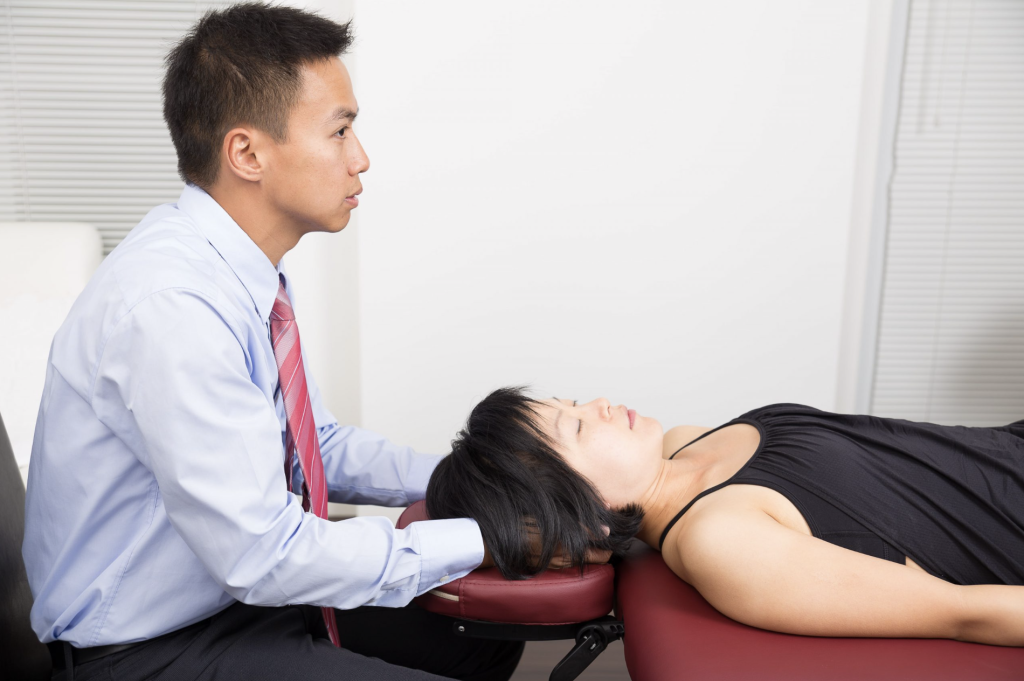
Using specific joint mobilizations and soft tissue techniques. Manual therapy can help loosen stiff and irritable joints and muscles.
Dry Needling/IMS
IUsed to desensitize painful joints/muscles and speed up recovery. Can also help release trigger points that are resistant to manual therapy and massage.
Acupuncture
Used to help provide homeostasis and balance to the body. It can also help promote relaxation, improve circulation and decrease stress.
Cupping Therapy
Used to help promote blood flow to affected areas. Can also promote relaxation of soft tissues
Exercise Therapy
Teaches you proper stretches and strengthening exercises. Exercises can help alleviate stiffness, weakness, and imbalances in the body.
Common Headache Patterns We Treat
Understanding the location of your headache often gives clues about the source. Here are a few common types:
Vertex Headaches
Pain at the top of the head, often linked to posture, neck tension, dehydration, or migraines. Upper thoracic spine dysfunction often has some effect here.
Temporal Headaches
Pain at the temples. May be due to stress, migraines, TMJ dysfunction, or sinus issues. Often caused by muscle tension in the temporalis muscles as well.
Retro-Orbital Headaches
Pain behind the eyes. Often associated with eye strain, migraines, or upper neck dysfunction.
Education and Lifestyle Modifications
Successful treatment goes beyond hands-on care. We provide guidance to help you manage triggers and reduce recurrence:
- Improving workstation ergonomics
- Hydration and sleep habits
- Breathing and relaxation strategies
- Postural awareness
- Regular movement breaks
- Stress reduction
- Avoiding known migraine triggers (diet)
Recovering from headaches and migraines is like assembling a puzzle, where the more pieces you have and put together well, the problem can be solved.
Frequently Asked Questions About Headache & Migraine Physiotherapy
How do I know if my headaches are coming from my neck?
Headaches coming from the neck (often called cervicogenic headaches) usually worsen with neck movement, prolonged sitting, or poor posture. You may also feel stiffness at the base of your skull, pain that wraps around the head, or discomfort behind the eyes. Our physiotherapists perform a detailed assessment to pinpoint whether your neck, muscles, or joints are contributing to your pain.
How many physiotherapy sessions will I need?
Everyone is different. Some patients feel relief after just 1–3 sessions, especially with tension-type headaches or muscle-related triggers. Chronic or long-standing migraines may require a more gradual treatment plan. Your physiotherapist will create a personalized plan based on your assessment and progress.
Are headaches and migraines a sign of something serious?
Most headaches and migraines are not dangerous, but certain red flags require medical attention (for example, sudden severe headaches, new headaches after trauma, headaches with fever, neurological symptoms, or vision changes). If needed, we refer you to your physician for further investigation.
What treatments does EastWest Physiotherapy use for headache and migraine relief?
We combine Western and Eastern techniques to address the root cause of your symptoms, including:
- Manual therapy to reduce joint and muscle tension
- Acupuncture for relaxation and nervous system regulation
- IMS/Dry Needling for deep muscle trigger points
- Cupping therapy to improve circulation
- Exercise therapy to correct posture and reduce recurrence
- Education on lifestyle, hydration, stress, and ergonomics
This holistic approach is especially effective for clients who have tried medications or treatments elsewhere without lasting relief.
Do I need a doctor’s referral for headache or migraine physiotherapy?
No referral is needed to see a physiotherapist in British Columbia. However, some extended health plans may require one for reimbursement. You can check with your extended health provider first.
Can physiotherapy prevent future headaches and migraines?
Yes. Once your immediate symptoms settle, we focus on long-term strategies: improving posture, reducing trigger points, strengthening the neck and shoulders, optimizing workspace ergonomics, and managing lifestyle triggers. Many patients experience fewer and milder headaches during and after their physiotherapy program.