

Blood Clots and Air Travel: How Compression Stockings Can Help

What Is a Blood Clot (aka Deep Vein Thrombosis or DVT)?

A deep vein thrombosis (DVT) is a partial or total blockage of the deep veins due to a blood clot that forms in the legs. While small clots sometimes dissolve on their own, larger ones can cause problems in the leg and can affect other parts of the body. The biggest danger is if part of the clot breaks loose and travels to the lungs, it can cause a pulmonary embolism (blood clot in lungs). This can block and stop blood flowing in the artery to the lungs and can be a life threatening situation. You may feel some of these symptoms with DVT • Swelling in one leg Pain, tenderness or cramping in the calf or thigh Increasing temperature over the calf region Discoloration of the skin over the affected area Heavy, tired feeling in the leg But not all clots cause symptoms! Sometimes, symptoms are so minor that they get overlooked

How do Compression Stockings work?

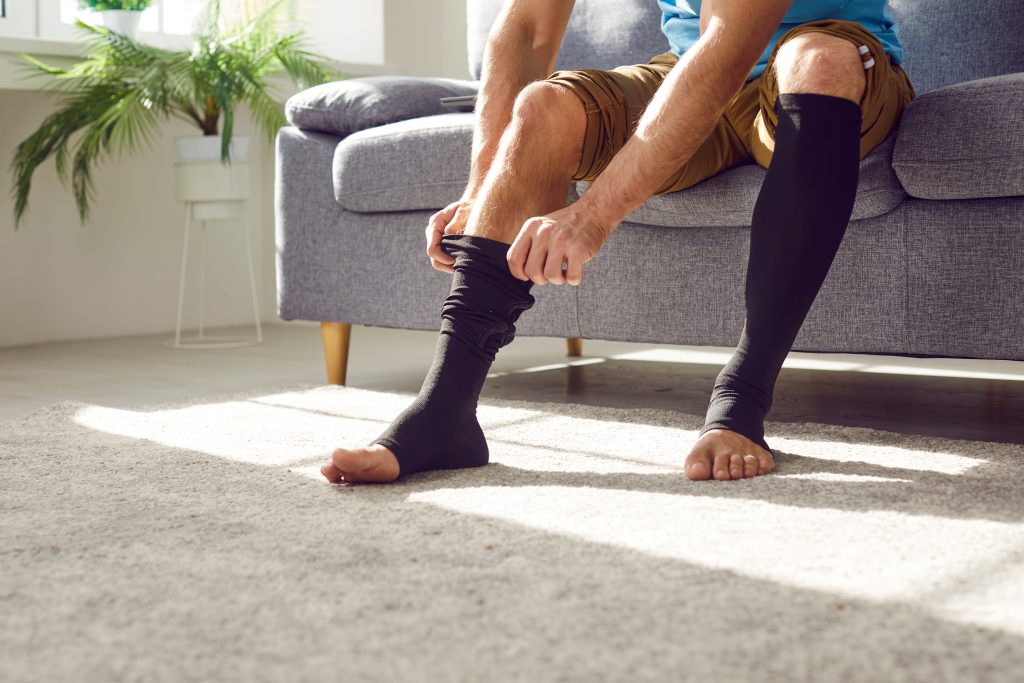
Compression stockings are special socks that apply graduated pressure that is strongest at the ankle, and lighter as they go up the calf. Combined with muscle contractions (movement of the legs), this gentle squeeze helps improve blood circulation back to the heart, reduce swelling in the legs and ankles and prevent blood from pooling in the veins. They are different from regular tight socks. Medical-grade stockings are designed based on research to give the right amount of pressure in the right places. Compression stockings can also help relieve swelling in the legs as you may often experience in longer flights.

Why long flights can increase the risk of blood clots

When you are sitting for hours on the plane with minimal lower body movement, blood flow in the legs slows down.

Long Flights Can Increase DVT Risk

When you are sitting for hours on the plane with minimal lower body movement, blood flow in the legs slows down. Less movement in your legs increases your risk of clot formation. Sitting with prolonged knees bent makes the veins work harder to push your blood back up against gravity. Combined with cramped seats, dehydration, lower oxygen levels, lower cabin pressure, salty snacks (causes more swelling and fluid retention), as well as some pre-existing medical conditions can all add to the risk. Most healthy travelers have a very low risk of DVT when traveling on a long flight (more than 4 hours). But this risk increases if you have any of these conditions:

Travelling on a plane? Can Compression Stockings help prevent blood clots?

Excited for your next travel adventure on the other side of the world? If you’ve ever been concerned about blood clots on long flights, you are not alone. At EastWest Physiotherapy in Burnaby, we often get questions from our patients about how to keep their legs healthy and prevent blood clots during their long flights. (or DVTs (Deep Vein Thrombosis))

We will tackle these common questions:

What to look for in Compression socks?

Graduated Compression

Compression Stockings should be tightest at the ankle and gradually looser toward the calf, as this improves blood return from the extremities and reduces clot risk.

Compression Level

For most travelers, 15-30 mmHg at the ankle is effective and comfortable. Higher pressures (above 30mmHg) may be more suited for those with vascular issues and your Physician’s advice.

Length

Knee-high stockings are sufficient for air travel. Thigh-highs or pantyhose styles haven’t shown more benefit and can be harder to put on and take off

Proper Fit

Stockings only work if they fit correctly. Measure around the ankle and calf before buying. If they are too loose, it won’t be effective. If it’s too tight, it will restrict your circulation and can be extremely uncomfortable.