
Burnaby Physiotherapy Techniques
Exercise Therapy
EXERCISE THERAPY
Exercise Therapy in Burnaby – EastWest Physiotherapy
You’ve always been told that exercise is good for you, but what happens when pain gets in the way?
Maybe your knee hurts every time you try running again. Maybe you’ve been advised not to lift anything because of back pain, and you’re worried about a disc bulge. Or maybe, you have been told never to squat or kneel again because of your knee pain. We hear about this too often.
At EastWest Physiotherapy in Burnaby, we teach, guide and educate you, so you don’t have to give up that movement for good.
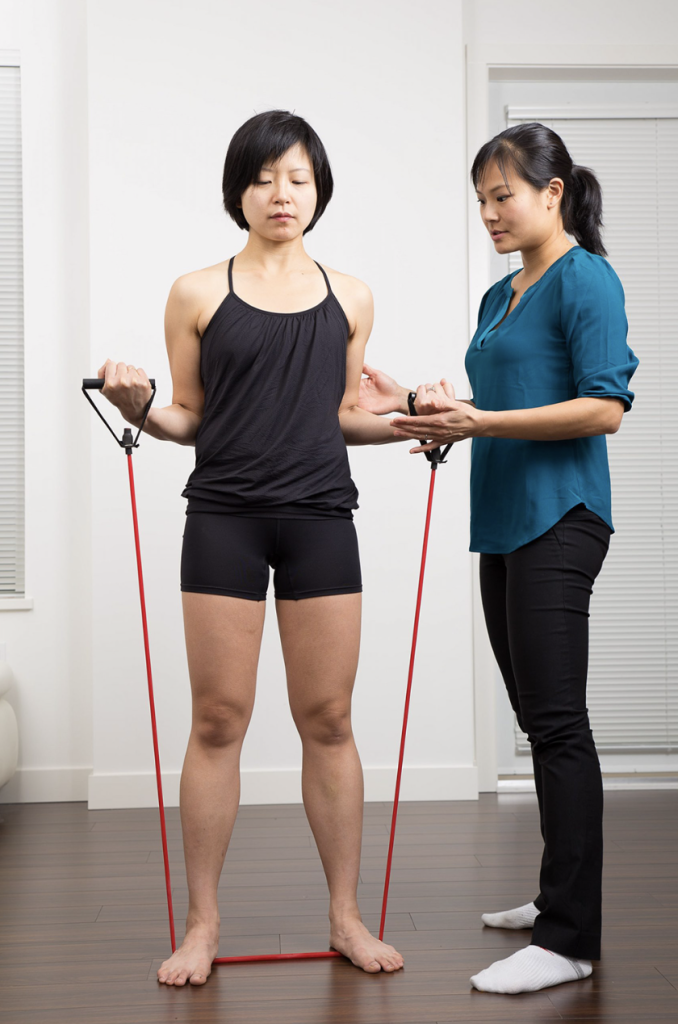
You need the right exercise program, designed specifically for your body, injury and stage of recovery. Every program is created individually, one-to-one in a private room after a detailed assessment so you can move with confidence, strength, and less pain. As improvements are made in your recovery, further progressions are given by your Physiotherapist to ensure you will get back to your desired movement goals.
Your Physiotherapist will incorporate exercise therapy as part of your treatment plan to guide your recovery safely and effectively.
What Is Exercise Therapy?
Exercise Therapy is a customized and evidence-based exercise program designed for you, to decrease pain, improve mobility, and restore proper physical function. These programs focus on:
- Improving range of motion (ROM)
- Building strength, flexibility, and muscular endurance
- Developing balance and stability
- Training proper movement patterns
- Decreasing Pain and Discomfort with movement
- Build Functional Strength to improve your activities of daily living (ADLs)
Unlike generic online routines, each exercise program is designed specifically for you, after an initial assessment by your Physiotherapist. It is based on your specific injury, stage of recovery, and goals. Progressions to your exercise program, when ready, are guided by your Physiotherapist. Proper exercise techniques are emphasized to avoid aggravating injuries and prevent new ones from developing.
Research consistently shows that the correct exercise therapy program plays a major role in long-term recovery, pain reduction and improved function.
Areas Exercise Therapy Targets
Range of motion (ROM)
ROM refers to the normal movement ability of a joint and muscle. After injury, stiffness, swelling, or muscle guarding can limit your movement. Your Physiotherapist will prescribe specific stretches and mobility work to improve your ROM safely.
Muscular strength and endurance
Injury, illness and disuse can weaken muscles, affecting your posture, function, and overall physical performance. A structured strengthening program helps rebuild proper strength, coordination, and endurance. This allows you to return to work, sport, and daily life without fear of reinjury.
Functional Movement patterns
How you move affects how much stress your body takes on. From lifting a box off the floor, getting out of bed to throwing a baseball, proper movement mechanics reduce strain, prevent re-injury, and improve overall performance. Your Physiotherapist will teach you strategies and techniques that allow force to transfer efficiently through the body, helping you move better and feel better.
Balance and Stability
A strong and stable foundation helps prevent falls, supports good posture, and allows your body to control movement under load. Exercises often include core strengthening, joint stability drills, and proprioceptive training (body awareness) to restore your body’s natural control. For example, our clients report that by understanding how to activate their core muscles properly allows them to drive the golf ball further.
Exercise Therapy for Mental Health, Energy Levels, and Whole-Body Wellness
Know that Exercise therapy supports far more than just injured joints and muscles. When designed properly, it plays an important role in improving mental health, emotional resilience, and long-term overall health. Many people don’t realize that pain-related inactivity can affect mood, confidence, and energy levels just as much as it affects their strength and mobility.
At EastWest Physiotherapy, our evidence based approach recognizes that physical recovery and mental well-being are closely connected. When physical limitations prevent you from moving the way you used to, it can lead to frustration, stress, and reduced motivation. Structured exercise programs catered to your situation can help break this cycle by reintroducing movement in a safe, controlled way, helping you feel capable again.
Exercise therapy has been shown to help improve mood, support better sleep, and restore a sense of control over your body. Even gentle movement can have a positive effect on mental health, especially when progress is guided and measurable. Your Physiotherapist carefully chooses exercises that feel achievable, starting with low-load movements and body weight exercises before progressing intensity and difficulty when appropriate.
Building Resilient Movement Patterns for Daily Life
Poor or inefficient movement patterns can quietly place stress on the body over time. Simple tasks like standing up from a chair, climbing stairs, or lifting groceries may become uncomfortable or tiring if the body isn’t moving efficiently. Exercise therapy focuses on retraining these patterns so your movements are smoother, stronger, and more coordinated.
Balance and coordination are key components of this process. Exercises such as single leg balance help improve joint stability, posture, and body awareness. These skills are essential not only for athletic performance, but also for fall prevention and long-term independence, especially for older adults.
When needed, exercise therapy is combined with hands-on techniques such as soft tissue work and manual therapy to reduce muscle tension and improve movement quality. This allows your body to move more freely and comfortably during exercises, making rehabilitation more effective.
Exercise Therapy Across the Lifespan
Exercise therapy benefits people at all stages of life. For older adults, maintaining strength, balance, and mobility supports independence, confidence, and long-term physical health. For working professionals and active individuals, structured rehabilitation programs reduce injury risk and support sustainable movement habits.
No matter your age or activity level, exercise therapy provides a practical, personalized path toward improved well being, better movement, and lasting health, without fear of reinjury or setbacks.
Conditions Exercise Therapy Helps
Work Injury rehabilitation
Whether you sprained your ankle from a fall or strained your back during an awkward lift, exercise therapy helps rebuild conditioning to match the demands of your job so you can safely return to work.
Motor Vehicle Accidents
Injuries from car accidents can be complex. Exercise therapy gradually reintroduces movement and load to the injured tissues at the right pace, allowing optimal healing without flare-ups.
Sports Injuries
Elite athletes and weekend warriors alike benefit from guided exercise therapy. Sports injuries often involve high forces, overuse, or trauma to specific structures. From learning how to jump and land properly after an ankle injury from basketball, to building up shoulder stability from a shoulder impingement in swimming, exercise therapy is essential in preparing you back to your activity of choice. Rehabilitation focuses on restoring tissue function, regaining strength, and preparing you for a safe and confident return to sport.
Posture Improvement
Posture-related pain is increasingly common with more people working from home at a computer. Weak or tight muscles, rounded shoulders, protruding neck and/or a stiff lower back can all contribute. Your Physiotherapist will design an exercise program to address muscular imbalances and promote healthy posture throughout the day.
Pre and Post Operative care
Exercising before surgery helps prepare and condition the body, which research shows leads to better recovery outcomes. After surgery (post-op), guided exercise therapy programs are important to regain movement, strength, and function. Your Physiotherapist will help you progress safely through each stage.
Why Choose EastWest Physiotherapy for Exercise Therapy?
- True one-to-one sessions with no overlapping clients
- Private treatment rooms -no curtained rooms, full confidentiality, and a relaxed atmosphere for optimal healing and recovery.
- Evidence-based exercise programs customized to your needs
- Balanced East-West approach including acupuncture, cupping, and modern rehab modalities when beneficial
- Advanced technology such as SIS and electrotherapy to complement your exercise plan
- Experienced Burnaby Physiotherapists skilled in movement assessment and exercise progressions
- Convenient location near Brentwood, North Burnaby, Willingdon Park, and Highway 1
- English, Cantonese, and Mandarin spoken
Frequently Asked Questions
Will exercise therapy make my pain worse?
Your Physiotherapist selects exercises that match your injury and tolerance.
Movements are progressed gradually to avoid flare-ups and build confidence. It is normal to feel some discomfort in the beginning and each progression, but it should never be overwhelming.
I don’t like to exercise, is there anything else that can be done?
Our Physiotherapists are trained in various treatment modalities that can help, and combining exercise therapy in your program can markedly sustain and improve your condition for the long term.
How soon will I notice improvements?
Many people feel improvements within a few sessions. Strength and endurance continue to develop with consistent training over several weeks and months.
Do I need equipment?
Most programs start with simple bodyweight exercises. As you progress, bands, weights, or other tools may be added if appropriate. And no, you don’t need to go to a gym – quite often, exercises can be done in the comfort of your home.
Book Your One-to-One Physiotherapy Session
Ready to move with confidence again?
Book your private exercise therapy appointment at EastWest Physiotherapy in Burnaby today.