Burnaby Physiotherapy Techniques
Intramuscular Stimulation (IMS)
Intramuscular Stimulation in Burnaby (IMS) - EastWest Physiotherapy
What is Intramuscular Stimulation (IMS)?
At EastWest Physiotherapy Burnaby, our experienced Registered Physiotherapists use Intramuscular Stimulation (IMS), to treat a range of conditions, including back pain, neck pain, shoulder pain, headaches, plantar fasciitis and more.
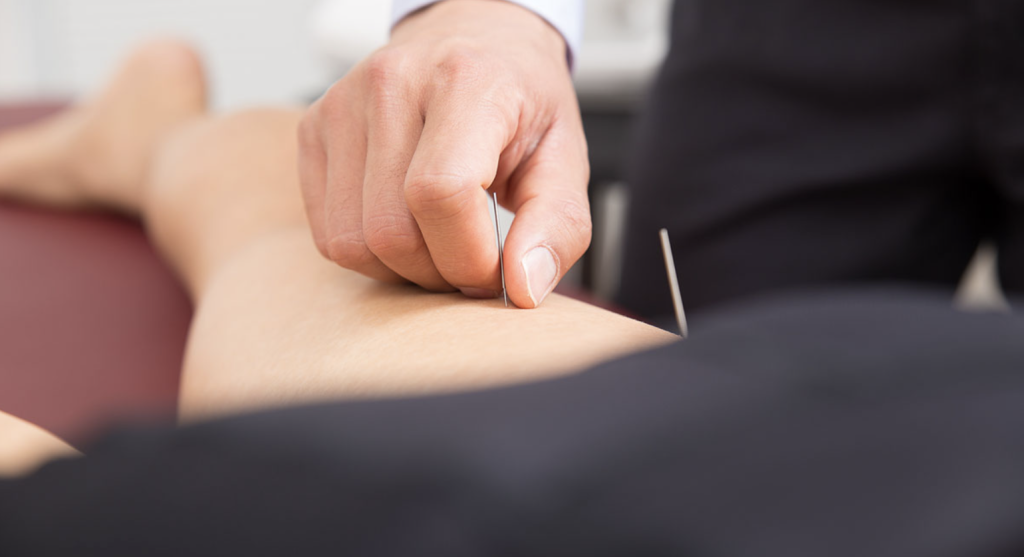
Intramuscular Stimulation (IMS), also known as Dry Needling, is a treatment technique that can be used by Physiotherapists to alleviate chronic pain and promote tissue healing. It involves the use of acupuncture needles to stimulate the muscles and nerves.
IMS is slightly different compared to the principles of Traditional Chinese Acupuncture, but it focuses more on the muscles and nerves than on the energy pathways (meridians) of the body.
The technique involves inserting a fine needle into the skin and into the muscle tissue, targeting trigger points or knots in the muscle fibers. This stimulates the muscle and nerve, leading to increased blood flow, relaxation of the muscle, and release of pain.
The needles used in IMS are similar to those used in traditional acupuncture, depending on the area of treatment. They are selected to precisely target the trigger points and muscle knots in the muscle to ensure that the treatment is as effective as possible.
Our Physiotherapists uses 3 types of points:
Homeostatic Acupuncture Points
To improve the body's self-healing potential. These points help promote balance in the body. Think of these points like your body's thermostat system, regulating various circulatory, hormonal, nervous systems, for instance.
Paraspinal Acupuncture Points
Used to help to stimulate the nerves along the spine. These points can affect the muscles, joints, and ligaments at that spinal level. For example, stimulating C5, 6, and 7 regions of the neck can help with shoulder, arm, and hand pain.
Symptomatic Acupuncture Points
On the area of injury creates a micro-trauma. This can help promote blood circulation to kick start the healing process. For example, these acupuncture points can help a stubborn painful sprained thumb.
Conditions IMS Can Help Treat
IMS therapy is particularly effective for various musculoskeletal injuries including:
- Chronic neck and low back pain
- Sciatica
- Neuropathic pain
- Headaches and migraines
- Repetitive strain injuries (achilles tendonitis, tennis elbow, golfer’s elbow)
- Stress and tension of the body
- Shoulder, hip, and knee pain
- Limited movement due to tense muscles
- Tendon pain (tennis elbow, Achilles issues, rotator cuff)
- TMJ dysfunction
- Postural-related muscle tension (neck, shoulder and back tension)
- Carpal tunnel syndrome
- Persistent muscle knots or tightness, chronic muscle tension
- Sports injuries involving muscle dysfunction
- Trigger point pain and referrals
Many patients who have not responded to other treatments often experience relief with IMS.
What does Intramuscular Stimulation feel like? Does it hurt?
During an Intramuscular Stimulation (IMS) treatment, you may feel a dull ache, twitch or a cramping sensation in the muscle, which can be uncomfortable but should not be painful. This sensation is a sign that the needle has reached the affected muscle and is stimulating the trigger points or taut bands of muscle fibers. The discomfort usually lasts only a few seconds and then subsides. After the treatment, you may feel some soreness, similar to the feeling after a strenuous workout, which usually resolves within a day or two.
What are the benefits of Intramuscular Stimulation?
Intramuscular Stimulation (IMS) is a highly effective treatment for chronic pain and muscle tension, as it targets the root cause of the pain rather than just the symptoms. It can help ‘reset’ the nervous system, changing the chronic nature of the pain. It is also a safe and efficient treatment, as it does not involve any medication or surgery. Many patients who have tried other forms of treatment without success have found relief with IMS.
One of the main benefits of IMS is its ability to promote healing. By stimulating the muscle and nerve, it increases blood flow to the area and encourages the body’s natural healing processes. This can lead to faster recovery times and a reduction in the risk of future injuries.
Intramuscular Stimulation (IMS) has also been shown to be effective in treating a wide range of conditions. In addition to chronic pain, it can be used to treat headaches, sports injuries, carpal tunnel syndrome, TMJ disorder, and more. It is also often used in conjunction with other forms of therapy, such as Physiotherapy and Massage Therapy, to provide a comprehensive approach to healing.
Why Choose EastWest Physiotherapy for IMS?
- True one-to-one sessions with no overlapping clients
- Private treatment rooms - no curtained rooms, quiet, comfortable, confidential
- Physiotherapists highly trained in IMS and Dry Needling
- Blended Eastern & Western treatment approach including acupuncture, manual therapy, and exercise rehabilitation
- Advanced understanding of neurophysiology behind chronic pain
- Convenient North Burnaby location near Brentwood, Willingdon Park & Highway 1
- English, Cantonese, and Mandarin spoken
Frequently Asked Questions
How many IMS sessions will I need?
Many clients notice improvement after their first session. Chronic conditions may require several treatments depending on how severe and prolonged the pain is. It is important to follow your Physiotherapist’s advice for home management to ensure your IMS/Dry Needling treatment is optimized.
Is IMS the same as acupuncture?
No. While IMS uses acupuncture needles, it targets muscle and nerve dysfunction rather than meridian points used in Traditional Chinese Medicine (TCM).
Can IMS be combined with other treatments?
Yes. IMS is often combined with manual therapy, movement retraining, or modalities to maximize results.
Is IMS safe?
Yes. When performed by trained Physiotherapists using sterile, single-use needles, IMS is very safe.
What should I do after an IMS session?
After the session, try not to perform strenuous activities involving the treated areas for a day or two, depending on your symptoms. You may apply some heat to the area to decrease discomfort and drink plenty of water.
Book Your One-to-One Physiotherapy Session
Experiencing chronic pain, persistent muscle tightness and/or irritated nerves?
References:
- Gunn CC, Milbrandt WE, Little AS, Mason KE. Dry needling of muscle motor points for chronic low-back pain: a randomized clinical trial with long-term follow-up. Spine. 1980;5(3):279-291.
- Shah JP, Phillips TM, Danoff JV, Gerber LH. An in vivo microanalytical technique for measuring the local biochemical milieu of human skeletal muscle. J Appl Physiol. 2005;99(5):1977-1984.
- Hong CZ. Lidocaine injection versus dry needling to myofascial trigger point. The importance of the local twitch response. Am J Phys Med Rehabil. 1994;73(4):256-263.
- Kietrys DM, Palombaro KM, Azzaretto E, Hubler R, Schaller B, Schlussel JM. Effectiveness of dry needling for upper-quarter myofascial pain: a systematic review and meta-analysis. J Orthop Sports Phys Ther. 2013;43(9):620-634.
- Sekendiz B, Altun S, Korkusuz F. Effects of six-week stabilization exercises on certain physical fitness parameters in patients with low back pain. J Back Musculoskelet Rehabil. 2007;20(1):21-28.