Burnaby Physiotherapy Techniques
Manual Therapy
MANUAL THERAPY
Manual Therapy in Burnaby – EastWest Physiotherapy
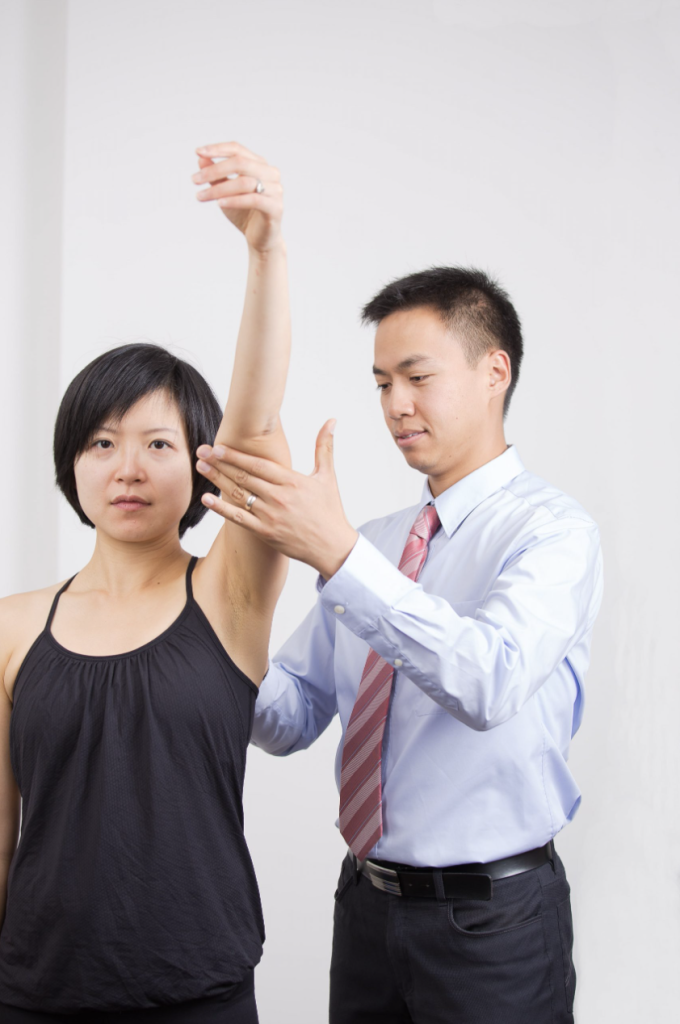
Manual therapy, also known as manual physical therapy, is a hands-on approach used in physical therapy sessions to assess, diagnose, and treat problems affecting muscles, joints, and nerves. At EastWest Physiotherapy in Burnaby, we provide manual therapy in fully private, one-to-one treatment rooms (not those curtained ones!), allowing your physiotherapist to focus entirely on you and your recovery.
Manual therapy uses skilled hands-on techniques to help reduce pain, increase range of motion, and improve how your body functions as a whole. When appropriate, manual therapy may be used during your assessment and throughout treatment to help identify restrictions, improve joint function, and guide a personalized recovery plan.
Manual Therapy Techniques We Use
Trigger Point Therapy & Myofascial Release
Myofascial release focuses on loosening any restrictions in the fascia and connective tissues. Our muscles, bones, ligaments, organs are all surrounded by a web-like fascia, similar to ‘saran wrap’ that holds all these structures in place in the body. Fascia connects all these structures and keeps them in their place, providing stability, and allowing structures to glide past one another smoothly. Any restrictions in fascia will limit our movements and can contribute to ongoing pain if left untreated. Benefits include: Reduced muscle tension Improved flexibility and comfort Increased blood flow to affected tissues Improved movement quality These techniques may feel intense initially but are highly effective for long-standing muscle tightness and movement restriction.
Joint Mobilization and Joint Manipulation
Joint manipulation and mobilization techniques are used to restore normal movement to stiff or restricted joints. Depending on your condition, your physiotherapist may use: Joint mobilizations – slow, controlled movements within the joint’s range Joint manipulation – a quick, precise, high velocity thrust movement used when appropriate Both approaches aim to: Improve joint function Increase range of motion Reduce joint-related pain Improve coordination between joints and muscles Joint manipulation and mobilization is always selected carefully and performed only when appropriate for your condition.
Muscle Energy Techniques (METs)
Muscle Energy Techniques involve gently contracting a muscle against resistance, followed by stretching. METs are effective for improving mobility and reducing muscle tightness. These techniques are commonly used for: Neck pain and shoulder stiffness Hip and pelvic restriction Low back pain and spinal stiffness METs help reset dysfunctional movement patterns and often result in immediate improvements in mobility.
Deep Frictions (Transverse Frictions)
Deep or transverse friction massage applies targeted pressure across muscles, tendons, or ligaments. This technique helps: Reduce scar tissue formation Improve tissue healing Restore normal tissue strength Provide temporary pain relief Deep frictions are used to help reduce scarring and adhesions after an injury or surgery where scar tissue limits movement, and causes pain, such as tendon injuries or post-operative stiffness.
What Is Manual Therapy?
Manual therapy refers to a group of specialized, hands-on manual therapy interventions used to treat musculoskeletal disorders. These techniques focus on improving how your joints, muscles, and other soft tissues move and interact as you move your body.
Manual therapy may involve:
- Gentle stretching and guided movement
- Joint manipulation and mobilization
- Trigger point therapy and myofascial release
- Soft tissue techniques to address stiffness and inflammation
Manual therapy can involve both passive and active movement. Passive methods are where your physiotherapist helps you move your joints or muscles to help improve mobility and pain. Active methods are where you would assist the therapist with controlled motion to help improve your mobility and pain. Both passive and active methods can improve your coordination, joint awareness, and long term movement quality.
By restoring normal movement and improving circulation, manual therapy supports tissue healing, reduces soft tissue inflammation, and increases blood flow to injured or restricted areas.
How Manual Therapy Helps Reduce Pain and Restore Movement
Pain often develops when joints lose mobility, muscles become tight, or tissues stop gliding past one another smoothly. These changes can place stress on surrounding areas, leading to musculoskeletal pain, stiffness, and reduced function.
For example, many office workers show the classic “hunched forward” position where the neck pokes forward, and the upper and lower back is rounded. As a result of this position that is held for 8 or more hours a day, the joints of the upper back and lower back get very stiff, and they do not extend or ‘arch back’ as easily to get back into the normal alignment. This leads to overuse, pain, and tension in the surrounding muscles of the upper and lower back. Manual therapy in this scenario will help restore the range of motion of the joints and muscles so they can extend easier, making it easier for you to ‘arch backwards’ and regain a normal spinal alignment.
In summary, manual therapy helps by:
- Improving joint function and alignment
- Reducing excessive muscle tone and guarding
- Increasing blood flow to irritated tissues
- Improving range of motion and flexibility
- Supporting better movement patterns
As movement improves, pain will naturally decrease. Many patients notice immediate changes in how they move or feel after manual therapy, even before exercise is introduced.
Manual Therapy for Acute Injuries
Acute injuries often involve inflammation, muscle guarding, and protective stiffness. Manual therapy techniques at this stage are often gentle, to help calm irritated tissues and restore movement early in recovery.
For acute injuries, manual therapy focuses on:
- Reducing swelling and tissue irritation
- Improving early range of motion
- Preventing stiffness from becoming long-term
- Supporting faster return to activity
Early treatment can help prevent acute injuries from developing into chronic problems.
Manual Therapy for Chronic Pain
Chronic pain is pain that remains longer than the normal tissue healing time and is often accompanied by other conditions such as anxiety, depression, sleep disturbances, and mood swings. Physically, long-term pain can include:
- Persistent muscle tightness
- Joint stiffness or restricted segments
- Scar tissue and soft tissue adhesions
- Increased nervous system sensitivity
Manual therapy helps address these factors by restoring movement, improving tissue health, and reducing sensitivity. When combined with education, movement-based rehabilitation, acupuncture, and other modalities, manual therapy can play a powerful role in long-term improvement.
Manual Therapy for Sport, Work, and Daily Life
Manual therapy supports people with very different activity demands. Athletes benefit from:
- Improved tissue flexibility
- Better joint mobility
- Faster recovery between training sessions
Office workers and individuals with physically demanding jobs benefit from:
- Reduced stiffness from prolonged sitting or standing
- Improved movement for lifting, bending, and reaching
- Reduced risk of recurring strain
Manual Therapy as Part of a Personalized Recovery Plan
At EastWest Physiotherapy Burnaby, manual therapy is never used in isolation. While hands-on manual techniques play a key role in reducing pain and restoring movement, long-term results come from a well-rounded, personalized treatment plan that addresses your condition from multiple angles.
Depending on your injury, symptoms, and stage of recovery, your physiotherapist may combine manual therapy with other evidence-based treatment methods and traditional methods to help you reduce pain, improve function, and return to daily activities with confidence and comfort.
This can include any combination of the methods listed below:
Exercise therapy
To reinforce and maintain gains from manual treatment using active movement, stretching strength, and control.
Acupuncture or dry needling
To help regulate pain, reduce muscle tension, and calm an overactive nervous system.
Cupping therapy
To improve blood flow, reduce soft tissue inflammation, and release any tight or restricted tissues.
Electrical therapy
(such as TENS or IFC) for pain relief, increased circulation, and muscle activation.
Ultrasound therapy
to promote tissue healing, reduce localized inflammation and swelling, and break down scar tissue.
Super Inductive System (SIS)
therapy to stimulate muscles and nerves, improve activation, and support recovery cellular and tissue healing in stubborn or complex cases.
Manual therapy is an effective tool to help increase range of motion, decrease muscle tone, and provide pain relief. Other additional modalities are used in conjunction to help improve clinical outcomes by reducing pain, supporting healing, enhancing function, and improving mobility especially if symptoms are persistent and hard to settle.
As your condition improves, treatment shifts toward maintaining results through movement retraining and strength. This integrated approach ensures that improvements gained during treatment are not temporary, but sustainable and permanent for daily functions.
The combination of hands-on care with targeted modalities and progressive movement, we focus not just on symptom relief, but on restoring joint function, improving mobility, and helping you move well long after your sessions are complete.
Why Choose EastWest Physiotherapy for Manual Therapy?
- True one-to-one care with no overlapping clients
- Private treatment rooms (not curtained rooms!) for focused, comfortable care
- Blend of Eastern and Western techniques
- Advanced technology such as SIS, electrotherapy, and ultrasound
- Experienced Burnaby physiotherapists
- Convenient location near Brentwood, North Burnaby, and Highway 1
- English, Cantonese, and Mandarin spoken
Frequently Asked Questions
Why Is Manual Therapy Combined With Exercise Therapy?
While manual therapy helps restore movement and reduce pain, active movement is what helps maintain these improvements. That is why manual therapy at EastWest Physiotherapy is often paired with exercise therapy.
Manual therapy helps by:
- Preparing joints and muscles to move comfortably
- Improving range of motion before strengthening
- Reducing pain so movement feels safer
Exercise therapy then reinforces these changes through strength, control, and endurance, helping ensure lasting results.
What Does Manual Therapy Feel Like?
Manual therapy should never feel rushed or aggressive. The therapist will place their hands on the area they are treating to help stretch, release, or mobilize your joints, muscles, and connective tissues. Depending on the technique, you may feel:
- Gentle stretching or rhythmic movement
- Focused pressure during trigger point or friction work
- Temporary discomfort followed by relief
Your physiotherapist will always communicate with you and adjust intensity based on your comfort level.
How Many Sessions Are Needed?
The number of sessions required depends of a few factors:
- The nature and duration of your condition
- Your activity level and goals
- How your body responds to treatment
Some patients feel improvement after one or two sessions, while others will feel a benefit from a short course of care combined with exercise progressions.
Is manual therapy painful?
Some techniques may feel intense at first, but treatment should never be overwhelming. Many techniques feel relaxing and lead to improved movement right away. Your therapist will always communicate with you to ensure that the treatment is tolerable and comfortable.
How quickly does manual therapy work?
Many patients notice improvement within the first few sessions.
Do I need imaging before manual therapy?
Most people do not. Your physiotherapist will advise you if imaging is needed.