
Burnaby Physiotherapy
Sports Physiotherapy
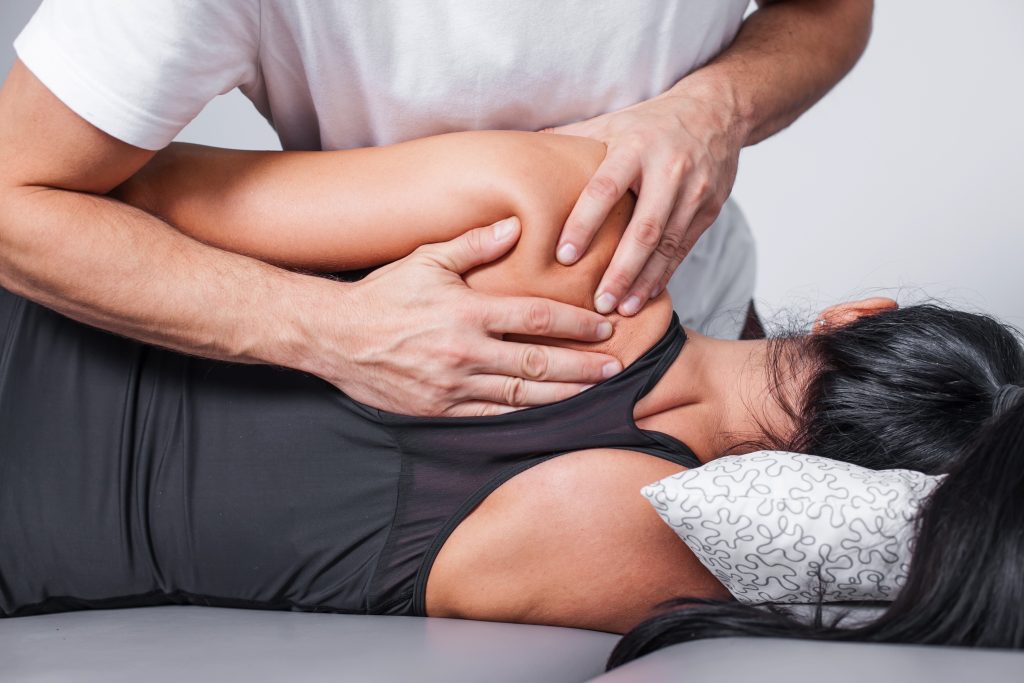
Sports Therapy
Sports Physiotherapy in Burnaby – EastWest Physiotherapy
Sports Physiotherapy focuses on the proper management of sports injuries so athletes of all levels ranging from recreational to high performance, can return to sport safely and confidently. It also plays a major preventative role by identifying movement issues, joint stiffness, muscle imbalances, and training errors before injuries occur. Whether you have sustained knee injuries, ankle injuries or shoulder injuries, or want to improve your athletic performance, our physiotherapy clinic can help.
At EastWest Physiotherapy in Burnaby, our therapists design individualized sports rehab programs to restore mobility, strength, balance, and performance so you can return to the activities you love with less pain, more power, and greater resilience.
What Happens After a Sports Injury?
The rehabilitation process progresses through several key stages. Each stage matters – skip one, and healing may slow or re-injury risk increases.
Below is how Sports Physiotherapy typically unfolds in our Burnaby clinic:
Assessment & History Taking
Everything begins with understanding what happened.
Your therapist will ask about:
- How the injury occurred
- What movements aggravate it
- Which structures are likely involved
Orthopedic tests, strength assessments, and movement evaluation help determine severity and the best path forward.
Your physiotherapist may recommend further imaging (X-ray, ultrasound, MRI, CT), if required.
Reducing Swelling & Inflammation
Inflammation is a normal response to tissue damage, but excessive or prolonged swelling slows recovery.
Treatment to reduce inflammation may include a combination of Eastern and Western methods such as:
- Taping to stabilize or to manage swelling
- Acupuncture for pain modulation and boosting the parasympathetic (rest and repair) system
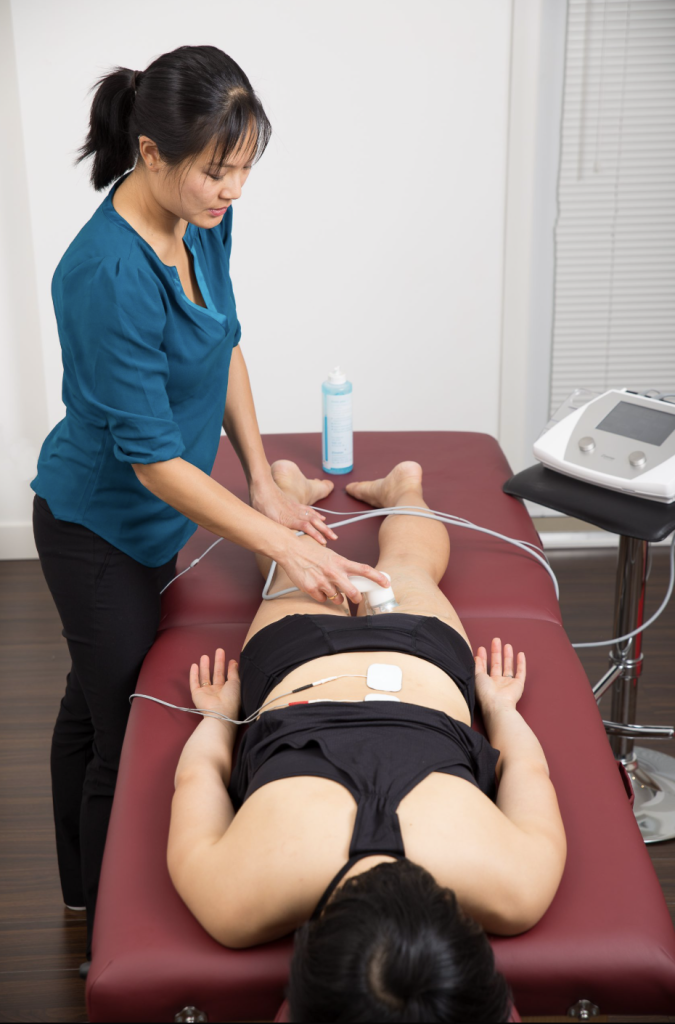
- Electrotherapy and ultrasound for tissue healing
Clients are also taught how to manage swelling at home using preventative bracing and taping, icing, compression, elevation, and controlled mobility in the right stages of healing.
Recovering Range of Motion (ROM) & Strength
After an injury, ROM and strength commonly decrease due to swelling, pain, and tissue irritation.
Examples:
- A sprained ankle develops swelling that restricts mobility
- Torn fibers become irritable and sensitive to stretch
- Weakness develops with disuse
Sports Physiotherapy helps restore ROM through manual therapy, stretching, mobility work, and gradual strengthening. Acupuncture may be used to improve circulation, alleviate pain and reduce muscle guarding.
Strength returns through progressive loading, starting gently and increasing intensity as tissues heal.
Gradual Loading of Injured Tissue
You may know R.I.C.E. (Rest, Ice, Compression, Elevation). Modern rehab modifies this to P.O.L.I.C.E. – Protection, Optimal Loading, Ice, Compression, Elevation
Unless a fracture or physician-directed rest is required, complete rest is rarely ideal. Appropriate loading improves circulation, reduces stiffness, maintains strength, and accelerates recovery.
Early stages may include non-weight-bearing or light-resistance work.
Later stages progress to full weight-bearing, agility drills, and power development based on tolerance.
Sport-Specific Rehabilitation
Once mobility, strength, and endurance return, the next step is preparing the body for the demands of your sport. This will help enhance athletic performance as well.
Different activities require different qualities:
-Running: Power + stride control
- Soccer: Agility + directional change
- Basketball: Plyometrics + joint stability
- Volleyball: Shoulder strength + jump mechanics
Training becomes skill-specific so the injured area can handle real-game forces confidently and safely.
Return to Sport
Returning to sport is both a physical and mental milestone.
A complete rehab plan ensures:
- No compensatory movement patterns
- No hesitation or fear of re-injury, trusting the previously injured body part
- No overloading the uninjured side
When symptoms are controlled, movement is strong, and confidence is restored, you’re ready to return to play and to return stronger.
Common Sports Injuries We Treat
Our sports physiotherapy clinic treats a wide range of injuries across all activity levels and sports.
Lower Body Sports Injuries
- ACL, MCL, and knee ligament injuries
- Meniscus tears
- Runner’s knee (patellofemoral pain syndrome)
- Jumper’s knee (patellar tendinitis)
- Achilles tendinitis and Achilles rupture rehab
- Ankle injuries - sprains (lateral and high ankle sprains)
- Shin splints
- Stress fractures
- Plantar Fasciitis
- Hamstring, quadriceps, and calf strains
- Hip flexor and groin strains
- IT band syndrome
Upper Body Sports Injuries
- Rotator cuff injuries
- Shoulder impingement
- Labral tears (SLAP tears)
- Shoulder instability and dislocations
- AC joint injuries
- Tennis elbow and golfer’s elbow
- Biceps and triceps tendinitis
- Wrist sprains and TFCC injuries
- Hand and finger ligament injuries
Spine & Core Injuries in Athletes
- Sports-related low back pain
- Disc bulges and disc herniations
- Sciatica in athletes
- Facet joint irritation
- Spondylolysis and spondylolisthesis
- Core muscle strains
Overuse & Repetitive Sports Injuries
- Tendinopathy, tendonitis
- Muscle imbalances
- Training overload injuries
- Chronic sports injuries
- Reduced mobility and joint stiffness
Sports We Commonly Treat
Our sports physiotherapists regularly work with athletes from a wide range of sports, including:
- Running and trail running
- Soccer
- Basketball
- Hockey
- Tennis and pickleball
- Golf
- CrossFit and functional fitness
- Weightlifting and powerlifting
- Cycling
- Skiing and snowboarding
Each treatment plan and exercise program is customized to your sport, training level, and performance goals.